
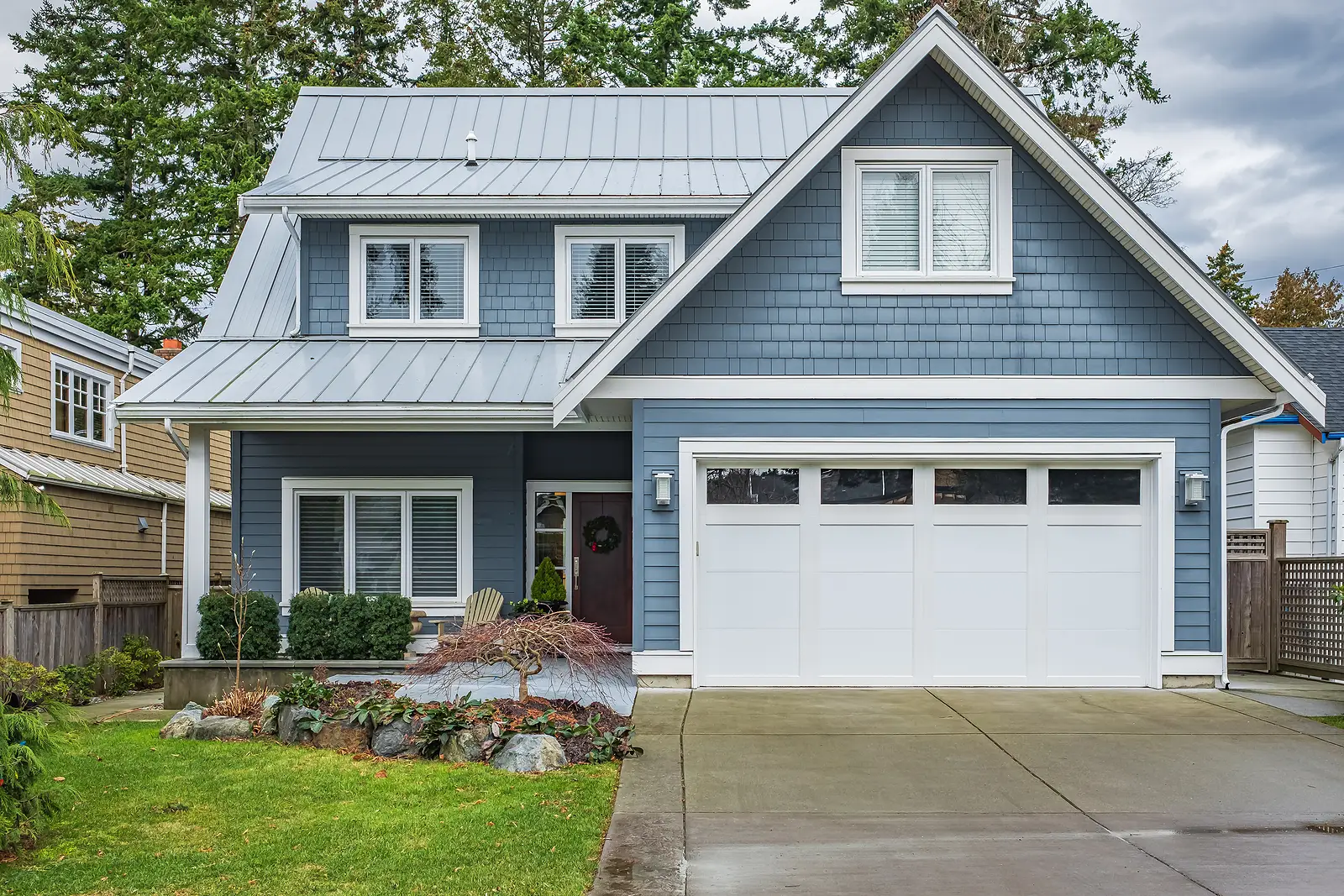
A property can stay occupied year after year and still fall short of its earning potential. Many Biloxi landlords focus on vacancy rates as the primary measure of success, yet profitability depends on much more than keeping tenants in place.
Small operational issues often develop gradually. Rent may fall behind market rates, maintenance needs can go unnoticed, and lease standards sometimes become less consistent over time. Individually, these challenges seem manageable. Together, they can significantly affect long-term returns.
Identifying these hidden revenue drains early helps property owners protect cash flow and keep investments moving in the right direction.
Key Takeaways
- Strong occupancy does not always indicate maximum rental performance.
- Below-market rent can reduce income significantly over multiple lease terms.
- Routine inspections help uncover maintenance concerns before they become costly.
- Strategic upgrades keep rentals competitive in Biloxi's housing market.
- Consistent lease administration supports stronger financial results.
Why a Fully Occupied Rental Can Still Underperform
Many property owners assume that if tenants stay for years and rent arrives regularly, everything is working as intended. While tenant retention offers advantages, it can sometimes mask areas that need attention.
In Biloxi's evolving rental market, pricing, maintenance costs, insurance premiums, and tenant expectations continue to change. Without periodic reviews, owners may miss opportunities to improve profitability.
A great starting point is reviewing current rental rates. Through a local rental evaluation, owners can compare their property against current market conditions and identify potential income gaps.
Even a small difference between actual rent and market rent can accumulate into substantial losses over several years.
The Financial Impact of Outdated Rental Rates
Rent pricing decisions influence nearly every aspect of investment performance. Owners often hesitate to adjust rates for dependable tenants because they want to avoid turnover.
While that concern is understandable, prolonged underpricing creates challenges that grow over time.
Operating Expenses Continue to Increase
Property taxes, insurance, maintenance costs, and service expenses rarely remain static. When rent remains unchanged for extended periods, profit margins often shrink.
Small Adjustments Are Easier Than Large Corrections
Modest annual increases generally feel more manageable than significant adjustments after years of stagnant pricing.
Market Conditions Should Guide Decisions
Neighborhood demand, local employment trends, and housing inventory all affect rental value. Reviewing pricing annually helps ensure your property remains aligned with current conditions.
Owners who also improve their monthly payment systems often benefit from more predictable cash flow and fewer collection concerns.
Long-Term Tenants May Not Report Problems Immediately
Reliable tenants often value stability and may delay reporting minor issues. While this can seem beneficial, unreported problems frequently become more expensive when left unresolved.
Regular property reviews create opportunities to identify concerns before repairs escalate.
Plumbing Issues Rarely Stay Small
Minor leaks beneath sinks or behind walls can gradually damage flooring, drywall, and cabinetry. Early detection often saves substantial repair costs.
HVAC Equipment Loses Efficiency Over Time
Heating and cooling systems can continue operating while performance steadily declines. Reduced efficiency increases wear and may contribute to larger repair bills later.
Tracking repair expenses through organized property accounting records helps reveal maintenance patterns that deserve attention.
Moisture Damage Can Spread Quickly
Humidity and coastal weather conditions around Biloxi make moisture control especially important. Routine inspections help catch issues before structural damage occurs.
Property Improvements Shouldn’t Wait for Turnover
Long-term occupancy can create a sense of comfort that delays important upgrades. However, renters continue comparing properties, even when they choose to stay.
National consumer expectations continue rising. In hospitality-related studies, properties scoring approximately 81 out of 100 for in-room amenities demonstrate how strongly residents and guests value updated living environments.
Properties that remain unchanged for years may gradually become less competitive.
Common Reasons Upgrades Get Delayed
- Owners want to avoid disrupting good tenants.
- Few complaints create the impression everything is satisfactory.
- Occupancy remains steady despite aging features.
- Renovation projects seem easier to postpone.
Strategic Improvements Add Value
Updating flooring, fixtures, appliances, and energy-efficient features can improve resident satisfaction while supporting stronger rental pricing.
Owners seeking additional performance insights often benefit from reviewing owner resources that help guide long-term investment decisions.
Tenant Relationships Should Never Replace Lease Standards
Positive tenant relationships contribute to a smoother rental experience. However, familiarity can sometimes lead owners to become less consistent with lease enforcement.
Small exceptions may seem harmless initially, but can create larger problems later.
Common Areas Where Standards Drift
- Late payments become accepted without consequences.
- Unauthorized occupants remain unaddressed.
- Pet policies receive inconsistent enforcement.
- Maintenance responsibilities become unclear.
When expectations vary from one tenant to another, operational consistency becomes harder to maintain.
Establishing clear procedures through effective leasing practices helps protect both the property and tenant relationships.
Budget Planning Helps Prevent Revenue Erosion
Strong rental performance depends on more than collecting rent. Owners also need a strategy for handling future expenses.
Without financial planning, even minor repairs or vacancy periods can create unexpected stress.
Many successful investors use landlord budgeting strategies to prepare for maintenance, capital improvements, insurance increases, and market fluctuations.
According to research from PwC, 32% of customers say convenience significantly influences their decisions. Similar expectations often extend to renters, who increasingly value responsive management and well-maintained homes.
Planning ahead helps owners meet those expectations while maintaining financial stability.
Regular Reviews Create Better Long-Term Results
The most profitable rental properties are rarely managed on autopilot. They benefit from ongoing evaluation and objective oversight.
Routine performance reviews help owners assess:
- Rental pricing competitiveness
- Maintenance trends
- Lease compliance
- Property condition
- Cash flow performance
Many landlords also gain valuable insights from reviewing rent collection strategies, which can improve consistency and reduce payment delays.
Consistent monitoring allows owners to address issues while solutions remain simple and affordable.
FAQs about Hidden Rental Revenue Loss in Biloxi, MS
How often should rental rates be reviewed in Biloxi?
Most owners benefit from reviewing rental rates annually. Market conditions, neighborhood demand, operating expenses, and comparable properties can change throughout the year, making regular evaluations important for maintaining competitive pricing.
Can reliable tenants unintentionally reduce profitability?
Yes. Long-term tenants often provide stability, but owners may postpone rent adjustments, inspections, or property improvements. Over time, those delays can affect rental income and increase future maintenance expenses.
What maintenance issues commonly go unnoticed in rental homes?
Small plumbing leaks, HVAC inefficiencies, moisture problems, and aging appliances frequently develop gradually. Regular inspections help identify these concerns before they require larger and more expensive repairs.
Why is consistent lease enforcement important for rental performance?
Clear and consistent lease administration helps prevent payment issues, unauthorized occupants, and property misuse. Maintaining standards supports better property condition and reduces operational challenges throughout the tenancy.
What is one of the easiest ways to improve rental profitability?
Conducting a comprehensive property review often reveals opportunities for improvement. Pricing adjustments, preventive maintenance, and operational refinements can collectively strengthen cash flow and long-term investment performance.
Stronger Returns Start With Better Visibility
Small decisions made over months and years often have a greater effect on profitability than a single vacancy or repair bill. Rent that lags behind the market, maintenance issues that stay hidden, and outdated property features can gradually chip away at income without attracting much attention.
A closer look at your property's performance can reveal opportunities to improve cash flow, reduce unnecessary expenses, and protect long-term value. At PMI Biloxi, we help owners stay ahead of these challenges through consistent oversight, financial tracking, maintenance coordination, and proactive management practices. Ready to take a more informed approach to rental performance? Accelerate your rent collection process and position your investment for stronger results.
